
 See Our Latest Article on HelloNation
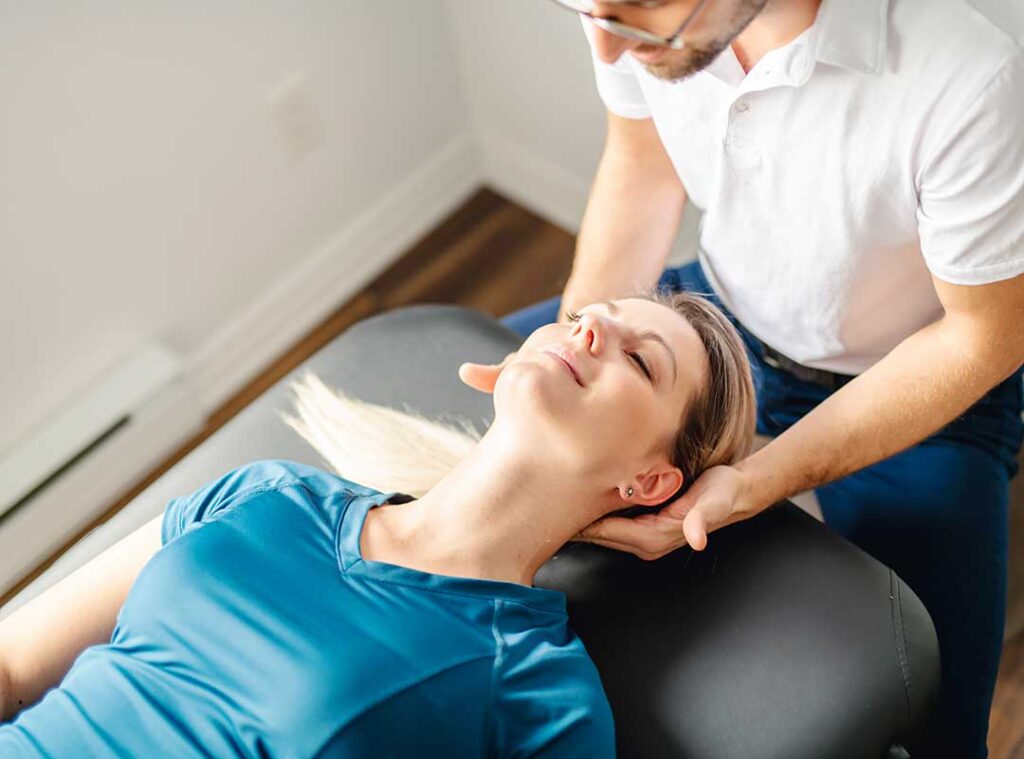
What can chiropractic care do for older adults?
Chiropractic care may help some older adults manage musculoskeletal problems such as low-back pain, neck discomfort, joint stiffness, and reduced mobility. Its most useful role is usually supportive: improving comfort and movement while helping a person remain active, rather than treating every health problem associated with aging.
Care may include spinal manipulation, gentle joint mobilization, soft-tissue techniques, posture guidance, and exercises. The appropriate approach depends on a person’s symptoms, bone health, medications, medical history, and functional goals. Spinal manipulation is included among non-drug options for some forms of acute, subacute, and chronic low-back pain, although the quality of supporting evidence is considered low to moderate and benefits are generally modest. ([nccih.nih.gov](https://www.nccih.nih.gov/health/spinal-manipulation-what-you-need-to-know?utm_source=openai))
Can it help with back pain and stiffness?
For some seniors, the main potential benefit is easier movement during everyday activities such as walking, standing from a chair, getting dressed, or doing household tasks. Spinal manipulation may provide modest short-term improvement in pain and function for certain types of low-back pain. It is not a guaranteed solution, and it may not be appropriate when pain is caused by a fracture, infection, cancer, severe nerve compression, or another condition requiring medical treatment.
A careful evaluation should distinguish ordinary mechanical pain from symptoms that need a different type of care. Pain after a fall, rapidly worsening weakness, loss of bladder or bowel control, unexplained weight loss, fever, or severe night pain warrants prompt medical assessment rather than routine manual treatment.
Older adults in Victor may also notice seasonal effects. Snow and ice can lead to slips, awkward lifting, and sudden changes in walking patterns. Winter-related soreness may involve muscles and joints, but a fall can also cause a fracture or head injury, especially when bone density is reduced.
Could chiropractic care improve balance or prevent falls?
Chiropractic treatment by itself should not be considered a proven fall-prevention program. Balance depends on leg strength, vision, sensation, reaction time, medications, footwear, home hazards, and walking ability. The CDC recommends combining aerobic activity, muscle strengthening, and balance exercises for adults age 65 and older. These activities can improve physical function and reduce the risk of falls or fall-related injuries. ([cdc.gov](https://www.cdc.gov/physical-activity-basics/adding-older-adults/what-counts.html?utm_source=openai))
A chiropractic visit may identify limited ankle, hip, or spinal movement that affects walking. It may also include simple mobility or strengthening exercises. However, fall prevention is usually broader than spinal care. Useful steps may include:
- Practicing safe sit-to-stand movements and supported balance exercises
- Improving leg and hip strength under appropriate guidance
- Reviewing medications that cause dizziness or drowsiness
- Checking vision and footwear
- Removing loose rugs, clutter, and poorly placed cords
- Improving lighting on stairs, walkways, and entrances
- Using handrails and taking extra care on icy surfaces
The CDC also advises older adults to discuss fall risk, osteoporosis screening, and medication review with a medical provider. ([cdc.gov](https://www.cdc.gov/falls/prevention/index.html?utm_source=openai))
Is chiropractic care safe for seniors?
Safety depends heavily on the individual and the technique used. Mild, temporary soreness, stiffness, headache, or increased discomfort can occur after spinal manipulation or mobilization and commonly resolve within about 24 hours. Serious complications are rare, but they have been reported, and risk may be higher for people with health conditions that make tissues or bones more vulnerable. ([nccih.nih.gov](https://www.nccih.nih.gov/health/spinal-manipulation-what-you-need-to-know?utm_source=openai))
Older adults should disclose conditions such as:
- Osteoporosis or a history of compression fractures
- Recent falls, fractures, or joint replacement
- Blood-thinning medication
- Cancer, inflammatory arthritis, or infection
- Significant spinal stenosis or neurological symptoms
- Prior spine surgery
- Unexplained dizziness, fainting, or severe headaches
Bone fragility deserves particular attention. A technique that may be reasonable for one adult could be too forceful for someone with advanced osteoporosis or a recent fracture. Gentle mobilization, exercise, positioning, or other non-thrust approaches may be considered instead, but the decision requires individualized judgment.
Neck manipulation also deserves a careful risk discussion. Research summarized by the National Center for Complementary and Integrative Health reports that serious neurological events are very rare, while emphasizing the importance of screening for underlying risk factors and sharing complete health information. ([nccih.nih.gov](https://www.nccih.nih.gov/health/spinal-manipulation-what-you-need-to-know?utm_source=openai))
What should seniors expect during an evaluation?
A responsible evaluation should begin with questions about the reason for care, the onset of symptoms, previous injuries, medical conditions, medications, physical activity, and daily limitations. It may include observing posture, walking, range of motion, strength, and neurological function.
The purpose is not simply to find a “misalignment.” The more useful questions are practical:

- What movement or activity is limited?
- What makes the symptom better or worse?
- Is there evidence of nerve involvement?
- Could a fall, fracture, medication effect, or medical illness be contributing?
- What type of activity is safe to resume?
- How will progress be measured?
Imaging is not automatically necessary for ordinary mechanical back or neck pain. It may become appropriate when there is a history of significant trauma, suspected fracture, progressive neurological change, or other warning signs.
Can chiropractic care replace medical or physical therapy care?
No. Chiropractic care may fit into a broader plan, but it should not replace evaluation for serious symptoms, management of chronic diseases, bone-health care, or rehabilitation after a major injury. Physical therapy may be especially useful when the primary goal is rebuilding strength, walking capacity, coordination, or balance.
For an older adult with multiple conditions, coordinated care is often more practical than relying on one treatment. A primary-care clinician, physical therapist, pharmacist, orthopedic specialist, or other clinician may each address different risks. This is particularly relevant after a fall or when pain is accompanied by weakness, numbness, dizziness, or declining independence.
How can residents make a sensible decision?
The most useful question is not whether chiropractic care is universally good or bad for seniors. It is whether a specific, carefully selected approach matches the person’s diagnosis, risk profile, and goals.
Before beginning care, an older adult or family caregiver can ask:
- What condition is being treated?
- What evidence supports the proposed approach?
- Are gentler options available?
- How will osteoporosis, medications, and past injuries affect treatment?
- What symptoms would require medical referral?
- What home exercises or activity changes are part of the plan?
- When should progress be reassessed?
For many seniors, the practical goal is not a perfectly aligned spine. It is safer movement, less disruptive pain, better confidence with daily activities, and preservation of independence. In a community where winter walking surfaces can change quickly, combining appropriate musculoskeletal care with strength, balance practice, fall-proofing, and regular medical review is more protective than relying on any single intervention.
