
 See Our Latest Article on HelloNation
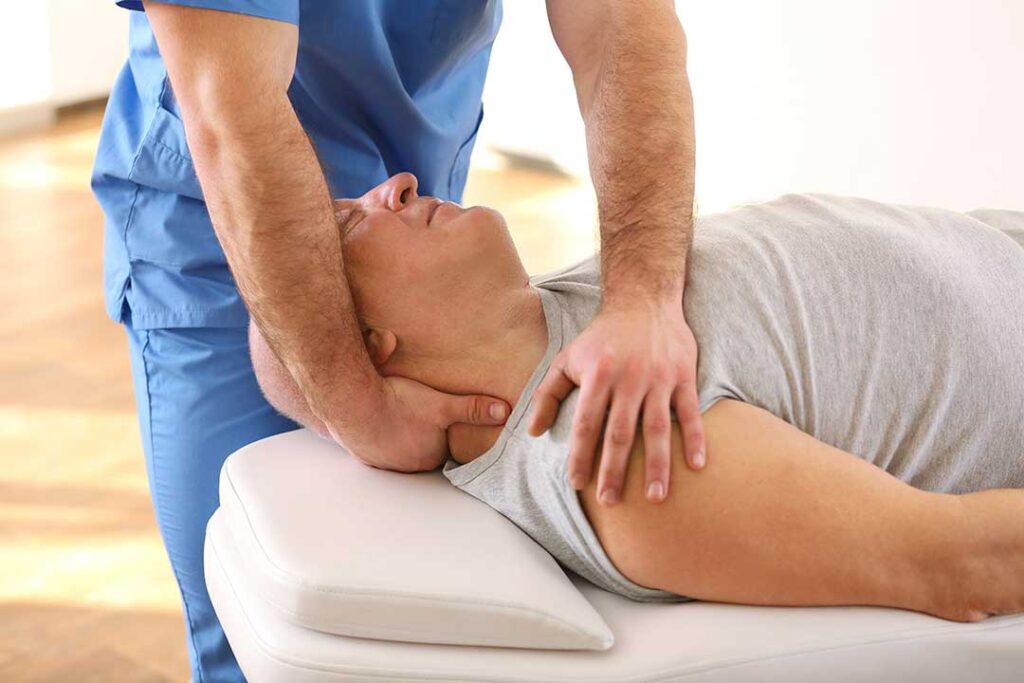
What Are Practical Ways to Manage Chronic Pain at Home?
Chronic pain management at home starts with understanding your body and exploring safe, evidence-based routines. For many residents, daily discomfort can make everyday tasks feel overwhelming. While there’s no “cure-all,” thoughtful lifestyle habits can help reduce or manage symptoms for a better quality of life.
Self-care approaches can include mindful movement, supportive routine changes, and relaxation techniques. Not every method will suit everyone, so it’s helpful to try different options and notice what brings the most comfort or improvement.
How Can Mindful Movement Ease Chronic Pain?
Gentle movement can reduce stiffness, improve blood flow, and support joint health over time. The region’s seasonal changes may affect how comfortable outdoor activities feel, so adapting your routine according to the weather is practical.
- Walking: Short daily walks, even around the neighborhood or local parks, encourage mobility. Dress for variable weather and use footwear with good support to avoid slips, especially in winter.
- Stretching: Slow stretching routines, such as those found in basic yoga or guided online videos, can target flexibility and tension points. Avoid overstretching—small movements are often more effective over time.
- Strengthening: Light resistance exercises (using household items or resistance bands) help maintain muscle function around sore joints. Focus on form over intensity, and start with brief sessions to gauge your limits.
Misconception: Many believe rest is always best for pain flares, but excessive inactivity can actually increase discomfort in the long term.
What Self-Care Routines Support Everyday Comfort?
Simple daily habits can make a meaningful difference. The community’s mix of older and newer homes can impact factors such as stair use, ergonomic furniture, and access to green space.
- Establish Consistent Sleep: Prioritize a regular bedtime and a comfortable sleeping environment. Use supportive pillows and maintain a dark, cool bedroom to promote quality rest.
- Posture Awareness: Whether working from home or enjoying hobbies, stay mindful of your posture. Adjust chairs and screens to promote a neutral spine and take frequent movement breaks.
- Heat and Cold Therapy: Depending on the source of discomfort, alternating heating pads and cold packs can help. Heat loosens muscles and cold can numb sharp pain—always use a layer between skin and the therapy source to prevent burns or frostbite.
How Can Stress Affect Chronic Pain, and What Relaxation Techniques Help?
Stress and chronic pain often reinforce each other, leading to a cycle that’s hard to break. Relaxation techniques calm the nervous system and may lessen pain intensity or frequency.
- Deep Breathing: Simple breathing exercises (inhale for four counts, exhale for four) can bring short-term relief from pain spikes.
- Mindfulness Meditation: Brief daily meditation sessions, even five minutes, reduce the mind’s focus on discomfort and promote relaxation. Apps and online resources offer guidance if you’re new.
- Nature Exposure: If daily walks aren’t possible, sitting quietly near a window or in a garden can provide a mental break. Research suggests nature views may lower perceived pain and improve mood.
What Are Common Misunderstandings About Self-Care for Chronic Pain?
Some residents may expect immediate improvement or believe only major changes will help. In reality, small consistent adjustments have the most reliable effect. It’s also common to overlook factors such as hydration or household ergonomics, which can subtly influence comfort.
- Pain management usually requires adjusting and experimenting with approaches as seasons and activity levels change.
- “Pushing through” pain is not the same as being active; pacing activities prevents flare-ups and longer-term setbacks.
- Social support (friends, family, or online groups) can reduce isolation and stress linked to persistent discomfort, even if they don’t directly address physical symptoms.
When Is Home Care Not Enough?
Most chronic pain can be improved with regular attention to these routines. However, some situations call for professional input:
- New, severe, or rapidly worsening pain that doesn’t respond to rest or gentle care
- Signs of infection, severe weakness, numbness, or loss of control over bladder or bowels
- Pain following trauma, falls, or unexplained fever
In these cases, contacting a healthcare provider ensures symptoms aren’t signs of a more serious issue. For ongoing discomfort, discussing your routines and self-care strategies with a provider can provide reassurance that you’re safely supporting your health.
